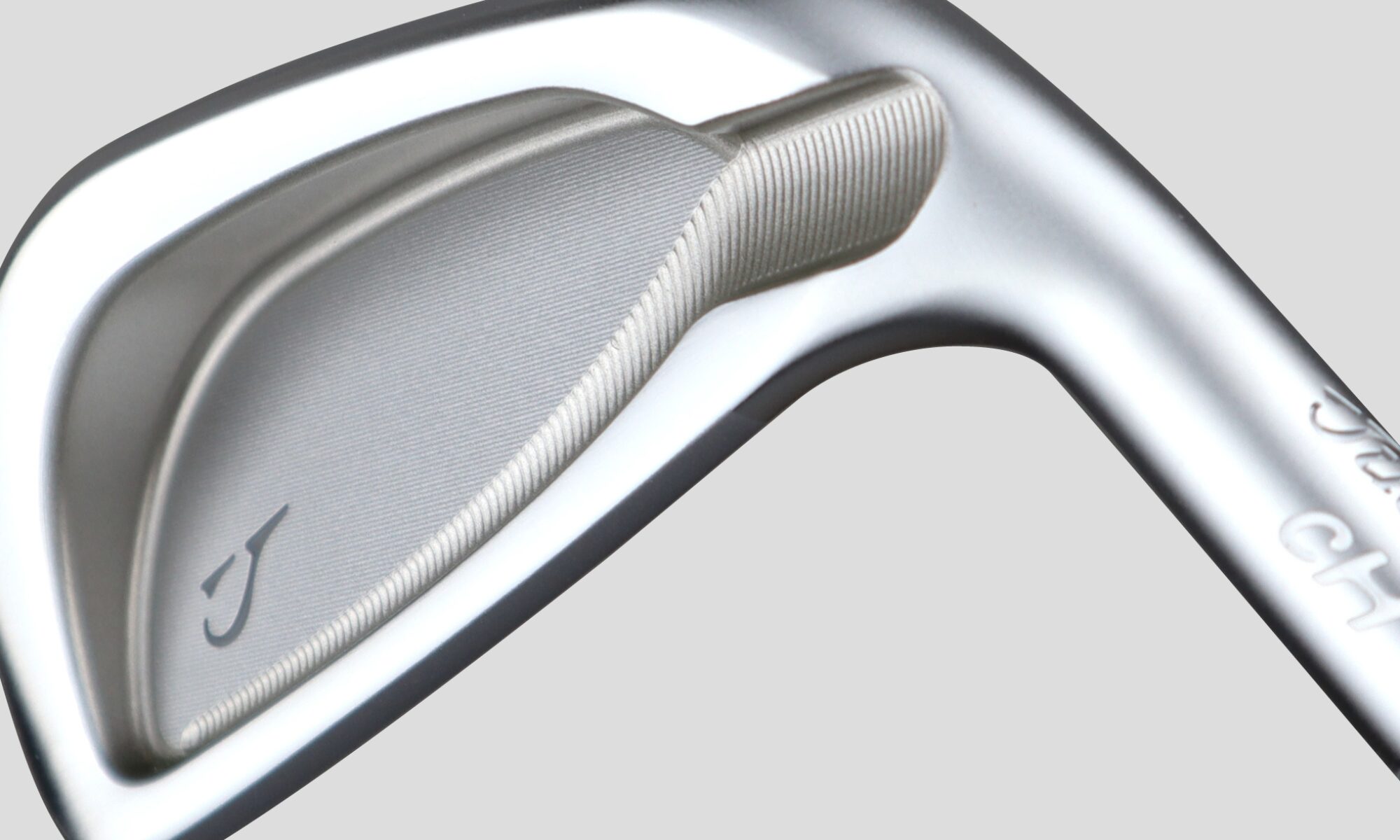

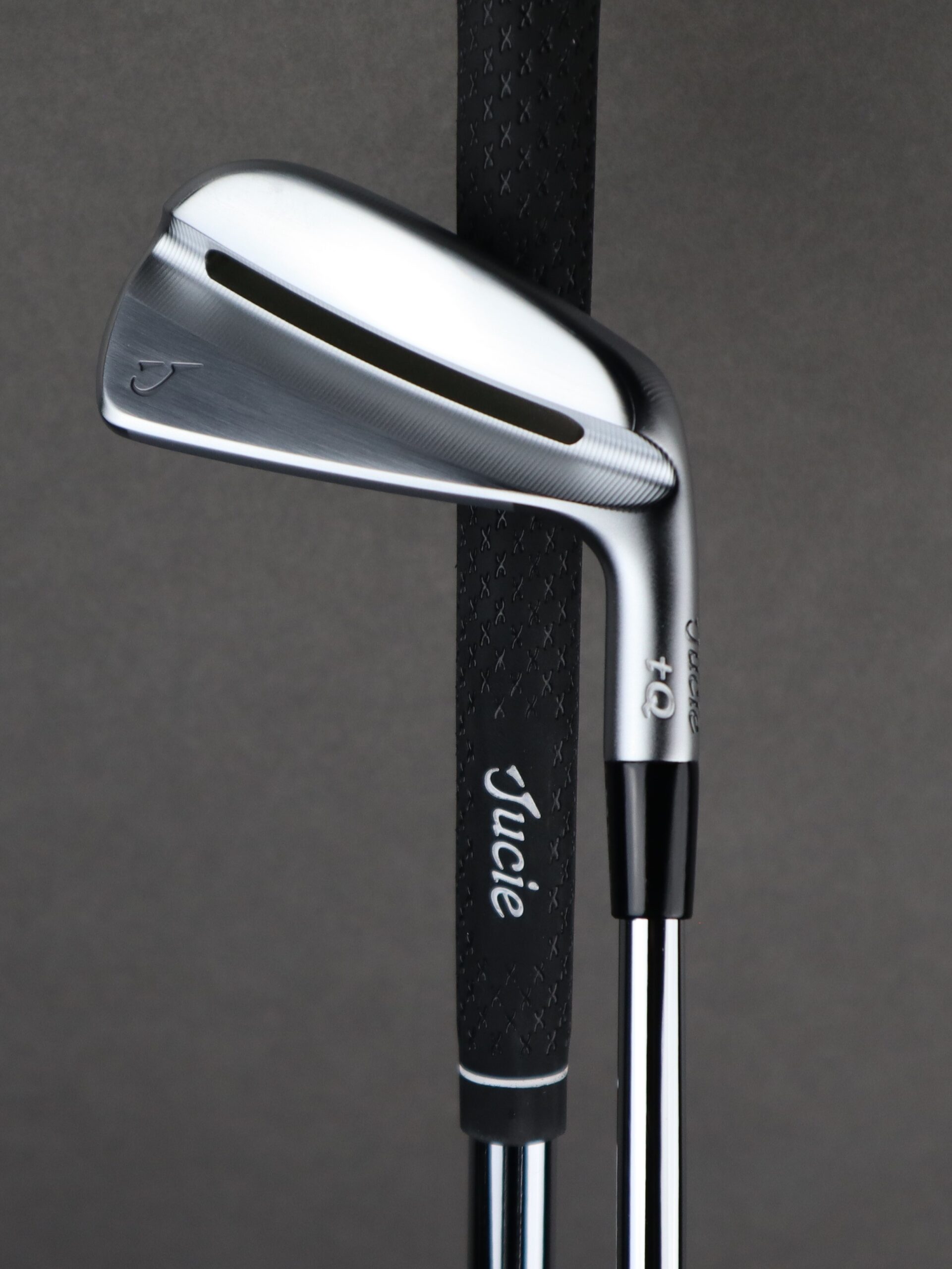
As we approach 2026, this article will simply articulate the aspirations we aim to integrate into our golf club designs.
A key phrase frequently mentioned when discussing recent club performance is "usable easy clubs," as highlighted in the headline. Historically, pros and advanced players often preferred "usable difficult clubs" emphasizing control, while amateurs frequently used clubs that heavily compensated for poor swing mechanics or lack of speed—clubs that advanced players might deem "unusable easy clubs."However, since the widespread adoption of performance-measuring devices that provide quantifiable results, this trend has gradually shifted. Particularly, the significant evolution in the ease of hitting high-moment-of-inertia drivers has made this "ease" advantageous even for pros, leading to the emergence of "usable, easy-to-hit clubs." Since then, there seems to be a growing demand for "usable, easy-to-hit clubs" extending to fairway woods, utility clubs, and irons as well.
From tightrope walking to sturdy bridges
I often use the analogy of crossing a valley quickly to explain the evolution of clubs toward these large heads. When crossing a valley to the other side, small drivers like persimmon heads are like tightrope walking. In that era, only a handful of masters could balance and move quickly along the rope.The metalwood era was like a swaying suspension bridge. While still accompanied by the fear of falling, it was passable enough. Titanium drivers became a bridge that didn't sway. The era of high moment of inertia drivers is like a sturdy bridge with a wide roadway. At this point, as long as you didn't lose your direction, you could even run at full speed, and anyone could safely cross the valley. Professional golfers' skills shifted from requiring tightrope-walking mastery to needing the athletic ability to run fast.
So, what about irons? While the swing trend is becoming more athletic, they still can't be called sturdy bridges. They feel more like suspension bridges or narrow bridges without railings, even if they don't sway.Consequently, manufacturers are experimenting with various approaches to enhance performance. However, the current sales reality seems focused on the distance competition of the #7 iron. Rather than strengthening the suspension bridge, the trend has shifted towards excessive lightweighting and strong lofts – essentially, if you can't cross it fast, just tilt the bridge downhill.
The straightforward , logical argument is what I've written about so far. However , what I prioritize in my design approach for 2026 is to design with a deeper understanding that actual golfers incorporate and practice movements that are not ideal, either unconsciously or consciously. Using the earlier example, I found inspiration in an interesting story I heard from my mentor.
"When traversing a narrow ridge under harsh conditions like Everest, with a 4000m drop on the right and a 2000m drop on the left, falling either way means certain death. Yet, strangely, you find yourself wanting to lean left as you walk."If we use the analogy of crossing a valley, it's like being on a bridge that's safe to cross if you're not in such a hurry, yet you end up leaning toward the shallower side of the valley as you run. This is precisely the golfer's psychology we should focus on: often, driven by the sheer desire to avoid mistakes, we actively incorporate movements that deviate from the ideal. When this happens, even a "usable, forgiving club" won't produce the ideal ball flight, and a negative mindset seems likely to accumulate.
Furthermore, including the driver, many golfers still strongly believe that progressing like a tightrope walker is their familiar golf. Even on a wider bridge, they diligently maintain a meticulous swing, never neglecting to keep both hands level to maintain balance.
Juicy NEW Model Direction
Starting in 2026, Juicy aims to embark on a new chapter.
We will increase the number of clubs that deliver a truly "gentle" feel.
Using the analogy of crossing a valley, first, we must design clubs that are reliably sturdy, even if just a little, and with a wide path. This creates the "usable, gentle clubs" needed today. Furthermore, if many players tend to lean toward the shallower side of the valley, we will subtly design the path to slope deeper.Or, we could add a safety railing on the deeper side. And instead of an easy downhill bridge, we could subtly start with a gentle slope—providing just the right amount of assist to move forward with confidence. If you swing with your hands level, it should still feel great to run, with performance that makes feedback easy to feel. We aim to gradually develop a series that offers this kind of "ease" attuned to the golfer's mindset, allowing you to dash forward with confidence.